Principles are ways of successfully dealing with reality to get what you want out of life.
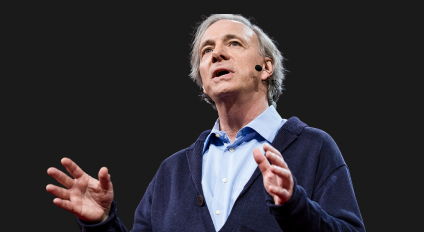
Ray Dalio, one of the world’s most successful investors and entrepreneurs, cites principles as his key to success.
Principles are ways of successfully dealing with reality to get what you want out of life.
Ray Dalio, one of the world’s most successful investors and entrepreneurs, cites principles as his key to success.
In 1975, Ray Dalio founded Bridgewater Associates, out of his two-bedroom apartment in New York City. Over forty years later, Bridgewater has grown into the largest hedge fund in the world and the fifth most important private company in the United States (according to Fortune magazine), and Dalio himself has been named to TIME’s list of the 100 most influential people in the world. Along the way Dalio discovered unique principles that have led to his and Bridgewater’s unique success. It is these principles, and not anything special about Dalio, that he believes are the reason behind whatever success he has had. He is now at a stage in his life that he wants to pass these principles along to others for them to judge for themselves and to do whatever they want with them.
Sometimes asking questions to gain perspective can be misperceived as being weak and indecisive. Of course it's not. It's necessary in order to become wise and it is a prerequisite for being strong and decisive.
Always seek the advice of wise others and let those who are better than you take the lead. The objective is to have the best understanding to make the best possible leadership decisions. Be open-minded and assertive at the same time and get in tight sync with those who work with you, recognizing that sometimes not all or even the majority of people will agree with you.
Operating by these principles has become habitual. The more you do it, the more you will do it (i.e. think and operate in a principled way).
You can’t make others operate this way. The desire to operate this way has to come from them. The best thing to do to help them is to get them to understand that they have “upper” (reasonable) thems and “lower” thems, and reason with the upper thems to see and do what is in their best interest to do. I wouldn’t want anyone to do anything other than that. Then, show them how to do it and practice doing it with them. People have told me that the video cases in my free app “Principles in Action,” which is in the Apple iOS App Store, have been invaluable for helping people operate this way. Btw, the app is rated 4.9 and it will be available on Android in the fall.
People who can show their weaknesses are strong. When you are defensive about them, you are weak and vulnerable. Showing weakness doesn’t make you any weaker than you already are. I love it when I show weakness and people want to try to take advantage of it because I can then display the strengths to deal with their challenges. Knowing and being accurate about one's strengths and weaknesses and operating accordingly is almost always the posture to take to produce the best outcomes.
As for the Android version of Principles In Action, I expect it to come out in the fall. As for what you should keep in mind Re: debt cycles, I’m hoping that you will look at the markets I gave in the book to get a sense of where we are in the cycle to get you to identify bubbles, so you sell and pull back when others are euphoric and do the opposite when things are bad and central banks are about to print money to get things to go up. As for running your business, I hope my work principles help you succeed and you enjoy what you’re doing.
At least 3 characters are required to perform a search