Principles are ways of successfully dealing with reality to get what you want out of life.
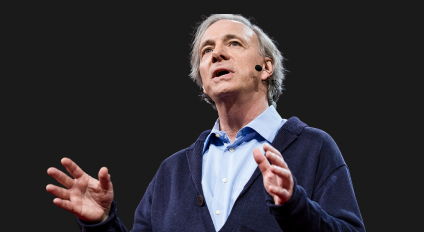
Ray Dalio, one of the world’s most successful investors and entrepreneurs, cites principles as his key to success.
Principles are ways of successfully dealing with reality to get what you want out of life.
Ray Dalio, one of the world’s most successful investors and entrepreneurs, cites principles as his key to success.
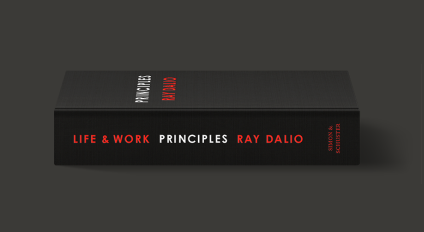
In 1975, Ray Dalio founded Bridgewater Associates, out of his two-bedroom apartment in New York City. Over forty years later, Bridgewater has grown into the largest hedge fund in the world and the fifth most important private company in the United States (according to Fortune magazine), and Dalio himself has been named to TIME’s list of the 100 most influential people in the world. Along the way Dalio discovered unique principles that have led to his and Bridgewater’s unique success. It is these principles, and not anything special about Dalio, that he believes are the reason behind whatever success he has had. He is now at a stage in his life that he wants to pass these principles along to others for them to judge for themselves and to do whatever they want with them.
The line is what's fair, appropriate, or required, as distinct from what's generous, in light of the defined quid pro quo relationship between parties. As mentioned earlier, you should expect people to behave in a manner consistent with how people in high-quality, long-term relationships behave--with a high level of mutual consideration for each other's interests and a clear understanding of who is responsible for what. Each should operate on the far side of fair, by which I mean giving more consideration to others than you demand for yourself. This is different from how people in most commercial relationships generally behave, as they tend to focus more on their own interests than on the interests of others or of the community as a whole. If each party says "You deserve more," "No, you deserve more," rather than "I deserve more," you are more likely to have generous, good relationships.
Believe me, the folks who work for me and work with me - in fact most people who are in in any meaningful relationships with me - know that there are there are good consequences if things go well and bad consequences if they don’t. They also know that I am willing to get in hard sync about what our relationship should be like to create good outcomes for each of us and for creating bad outcomes for each of us. And I stick with what I say so they know that they can take on it. Being this crystal clear helps eliminate misunderstandings of how actions will lead to consequences. It’s much more efficient that way.
I make clear how I am going to behave - e.g., that this won’t sustain a long term relationship so now we are just talking about this deal and that, if they want to play hardball with me they can expect me to play hardball with them in this transaction. I have a bit of a reputation of being either a great friend or a terrible enemy, depending on what the people I’m dealing with are like.
Yes, decision rights have to be crystal clear.
My main goal at this stage of my life is to transition well, especially to pass along my understandings of how reality works and principles for dealing with it well, and even more important than that, a principled way of thinking that enables people to discover their own versions of these that suits them well. To help people have great principles that work well for them I am building a suite of tools that will enable them.
At least 3 characters are required to perform a search