Principles are ways of successfully dealing with reality to get what you want out of life.
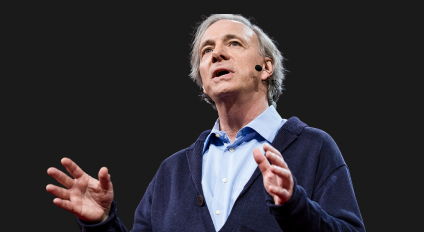
Ray Dalio, one of the world’s most successful investors and entrepreneurs, cites principles as his key to success.
Principles are ways of successfully dealing with reality to get what you want out of life.
Ray Dalio, one of the world’s most successful investors and entrepreneurs, cites principles as his key to success.
In 1975, Ray Dalio founded Bridgewater Associates, out of his two-bedroom apartment in New York City. Over forty years later, Bridgewater has grown into the largest hedge fund in the world and the fifth most important private company in the United States (according to Fortune magazine), and Dalio himself has been named to TIME’s list of the 100 most influential people in the world. Along the way Dalio discovered unique principles that have led to his and Bridgewater’s unique success. It is these principles, and not anything special about Dalio, that he believes are the reason behind whatever success he has had. He is now at a stage in his life that he wants to pass these principles along to others for them to judge for themselves and to do whatever they want with them.
Worrying about "blame" and "credit" or "positive" and "negative" feedback impedes the iterative process that is essential to learning. Remember that what has already happened lies in the past and no longer matters except as a lesson for the future. The need for phony praise needs to be unlearned.
Accuracy is key. It’s what one can learn from and it builds trust.
If you’re stuck with your cognitive biases living Parisi and disliking accurate critical feedback it’s like being hooked on sugar — you will have to live with the unhealthy consequences of it. I know a number of the things I’m suggesting people do aren’t easy at first. Easy is often not what will give you the best life possible. I’m just telling you that hat has worked for me. I know it’s not for everyone It’s like exercising to get fit.
Yep, I wrote this. And you’re right that I want accountability. That’s what I mean by getting on with being accurate. What I’m trying to say about blame and credit that should be done away with is the emotional aspects of them - E.g., somebody blaming someone to hurt them or one feeling hurt because one is blamed and giving credit as though it’s giving a free gift.
That is the problem of the people and the culture. Accuracy is good and healthy and over time builds trust. Change the people and the culture (eg if you’re in that sort of setting get a different job because being in a toxic setting will hurt you) and try being in an honest setting.
Being accurate is a gift. It’s healthy and builds trust.
Assume that you might not be right and ask the smart people who disagree with if you can explore both of your perspectives
At least 3 characters are required to perform a search