Principles are ways of successfully dealing with reality to get what you want out of life.
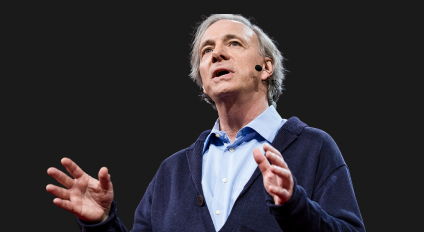
Ray Dalio, one of the world’s most successful investors and entrepreneurs, cites principles as his key to success.
Principles are ways of successfully dealing with reality to get what you want out of life.
Ray Dalio, one of the world’s most successful investors and entrepreneurs, cites principles as his key to success.
In 1975, Ray Dalio founded Bridgewater Associates, out of his two-bedroom apartment in New York City. Over forty years later, Bridgewater has grown into the largest hedge fund in the world and the fifth most important private company in the United States (according to Fortune magazine), and Dalio himself has been named to TIME’s list of the 100 most influential people in the world. Along the way Dalio discovered unique principles that have led to his and Bridgewater’s unique success. It is these principles, and not anything special about Dalio, that he believes are the reason behind whatever success he has had. He is now at a stage in his life that he wants to pass these principles along to others for them to judge for themselves and to do whatever they want with them.
Flexibility is what allows you to accept what reality (or knowledgeable people) teaches you; self-accountability is essential because if you really believe that failing to achieve a goal is your personal failure, you will see your failing to achieve it as indicative that you haven't been creative or flexible or determined enough to do what it takes. And you will be that much more motivated to find the way.
Openly. Since our idea-meritocracy is non-hierarchical people can readily explore whether a “higher authority” is arrogant and stubborn as they do whether a subordinate is arrogant and stubborn.
At Bridgewater 1) intellectual property (and some other things such as some personal matters of people and info that would harm us if made publicly available) won’t be made transparent, and 2) self-improvement is enhanced by radical transparency at the same time the company gets better. Knowing what’s true (including one’s weaknesses) is powerful for personal development. There are very few people who intellectually think that being less truthful and less transparent is usually better for the individual or the company than being more truthful and transparent. The main argument against it is that it’s uncomfortable which isn’t a good argument because doing what’s best and not what’s comfortable is what it takes to be successful and, with habit, being radically truthful and transparent will become comfortable and not being that way (and being around people who are not very truthful and transparent) will become very uncomfortable.
At least 3 characters are required to perform a search