Principles are ways of successfully dealing with reality to get what you want out of life.
Ray Dalio, one of the world’s most successful investors and entrepreneurs, cites principles as his key to success.
Principles are ways of successfully dealing with reality to get what you want out of life.
Ray Dalio, one of the world’s most successful investors and entrepreneurs, cites principles as his key to success.
In 1975, Ray Dalio founded Bridgewater Associates, out of his two-bedroom apartment in New York City. Over forty years later, Bridgewater has grown into the largest hedge fund in the world and the fifth most important private company in the United States (according to Fortune magazine), and Dalio himself has been named to TIME’s list of the 100 most influential people in the world. Along the way Dalio discovered unique principles that have led to his and Bridgewater’s unique success. It is these principles, and not anything special about Dalio, that he believes are the reason behind whatever success he has had. He is now at a stage in his life that he wants to pass these principles along to others for them to judge for themselves and to do whatever they want with them.
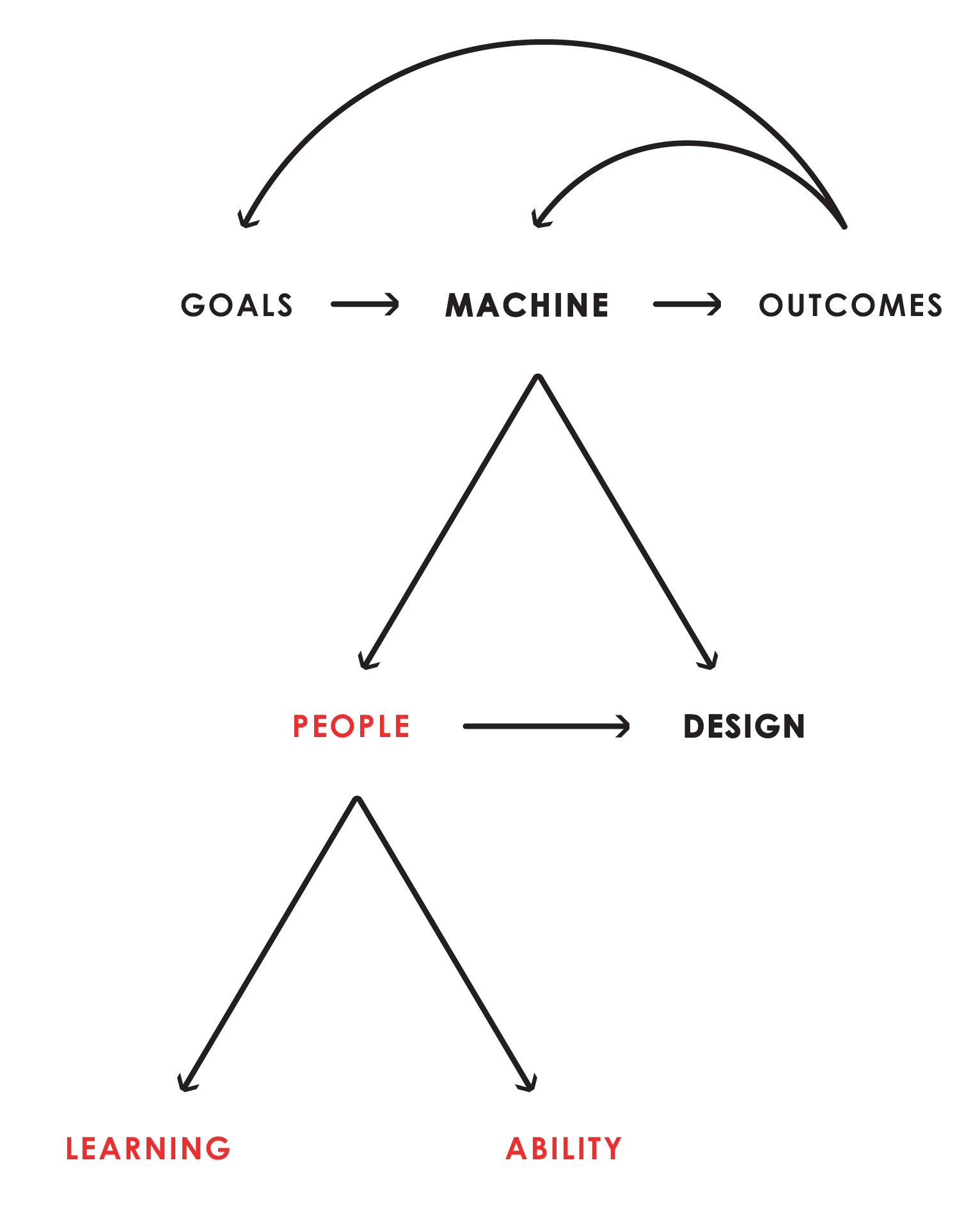
Think of people's performance as being made up of two things: learning and ability, as you'll see below. A weakness that is due to a lack of experience or training can be fixed, while a weakness that is due to a lack of ability can't be. Failing to distinguish between these causes is a common mistake among managers, because managers are often reluctant to appear unkind or judgmental. Also, they know that people assessed this way tend to push back. This is another one of those situations in which you must force yourself to be practical and realistic.
Sure. However. On average one can improve moderately (by one standard deviation) with a lot of work and training. On the other hand, it’s typically much easier and much more effective to work with someone who is strong where one is weak. See the “It Takes All Types” case in the Principles in Action app (available for free on the Apple App Store) if you want to see a case of this happening. People who see it find it enlightening in understanding this approach to improving.
When people encounter limitations due to their abilities, they typically feel bad about them and, if they accept them, want to get around them by increasing their abilities. They generally would do a lot better if they felt good about learning about their inabilities and worked with others who are strong where they are weak to get around their inabilities. See the “It Takes All Types” case in the Principles in Action app (available for free on the Apple App Store) if you want to see a case of this happening. People who see it find it enlightening in understanding this approach to improving.
At least 3 characters are required to perform a search